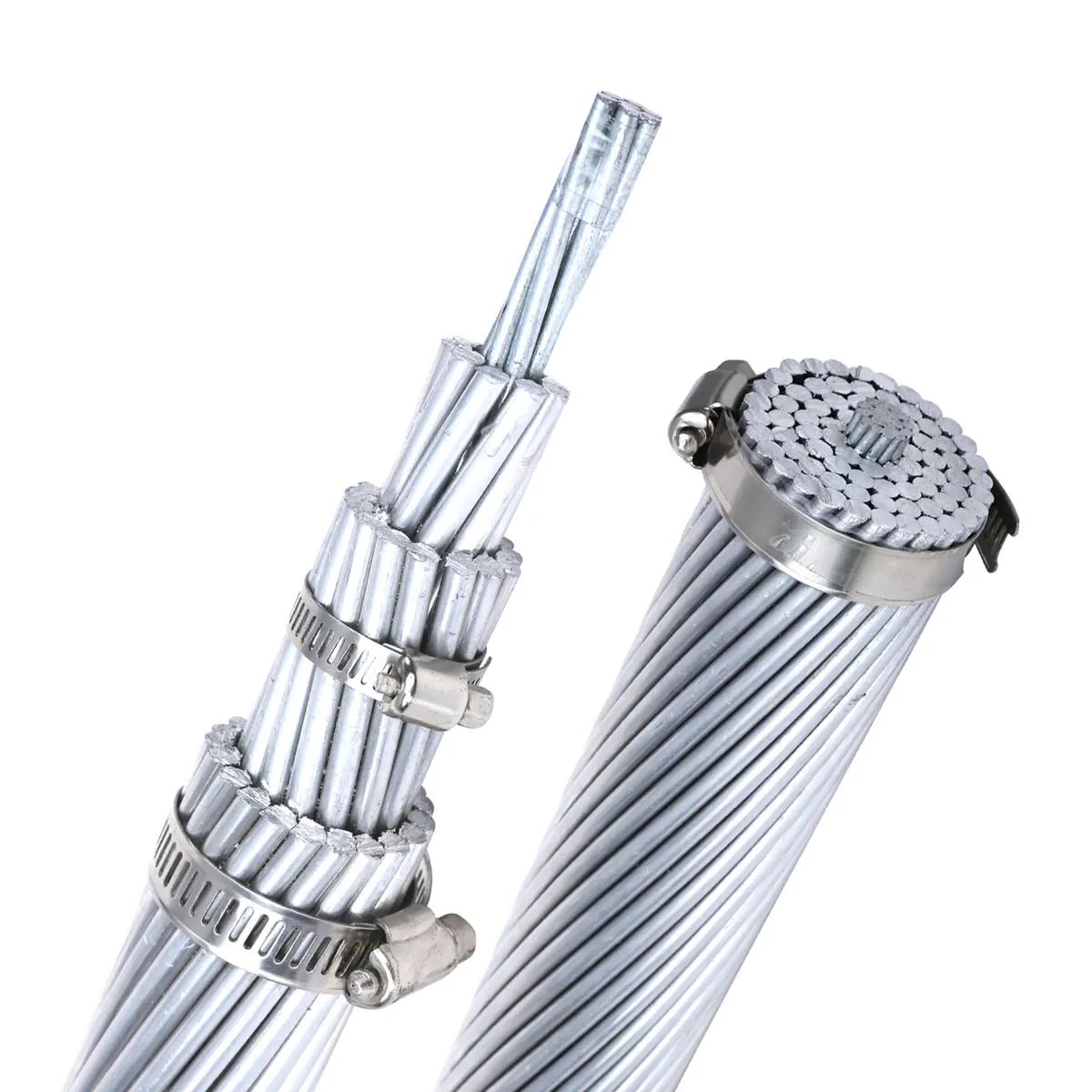
Havai kablo
Havai kablo Güneş enerjisi sistemlerinden üretilen elektriğin şebekeye entegre edilebilmesi. ZMS, ACSR gibi gerekli havai kabloları sağlayabilir, ACAR, AAC, ve çeşitli fotovoltaik enerji üretimi projeleri için AAAC.
Şebekeye bağlı güneş enerjisi sistemlerinde, Kullanılan havai kablonun türü özel kurulum gereksinimlerine bağlıdır, voltaj seviyesi gibi, akım taşıma kapasitesi, mekanik dayanım, ve çevresel koşullar.
Güneş panelleri için kullanılan DC kablolardan invertör çıkışı için kullanılan AC kablolara kadar, ve son olarak şebekeye bağlanan havai veya yer altı kablolarına, ZMS'nin profesyonel ekibi güneş enerjisi projesinin ölçeğini kapsamlı bir şekilde değerlendirecek, coğrafi konum, çevresel koşullar, Size en uygun güç kablolama çözümünü uyarlamak için şebeke bağlantı gereksinimleri ve.
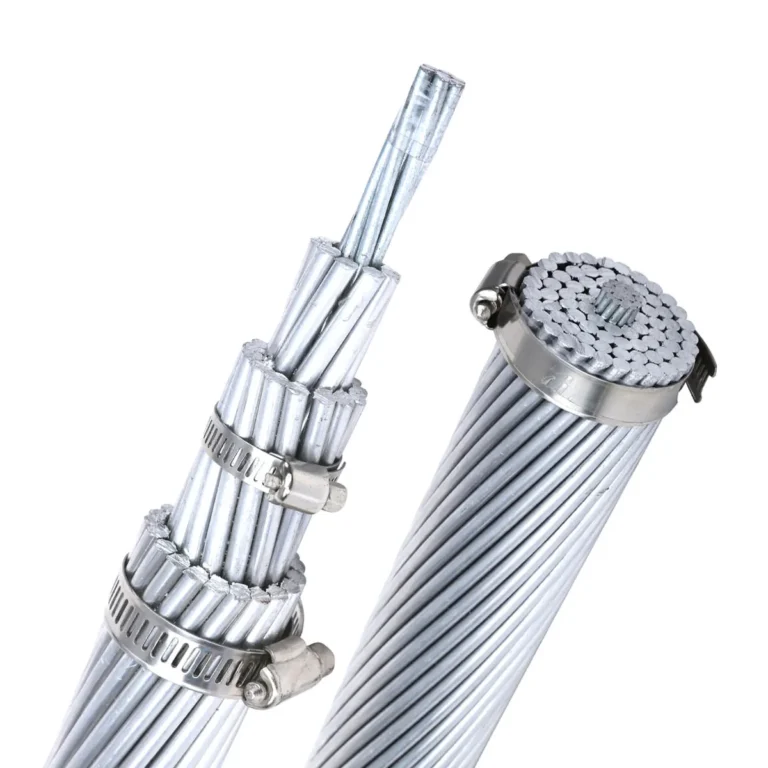

AAC (Tamamı Alüminyum İletken)
Yapı:
AAC bir veya daha fazla alüminyum tel telinden oluşur. Bu iletkenler minimum saflıkta elektrolitik olarak rafine edilmiş alüminyumdan yapılmıştır. 99.7%. İnşaat EN standartlarına uygundur 60889 BS'ye göre AL1 yazın 215.
Özellikler:
AAC iletkenleri oldukça iletkendir ve öncelikle kentsel alanlarda düşük sıcaklıklarda kullanılır., orta, ve açıklıkların kısa olduğu yüksek gerilim havai hatları. Mükemmel korozyon direnci sergilerler, onları kıyı bölgeleri için ideal kılıyor.
Standartlar:
ASTMB 230, ASTMB 231, TS IEC 1089, DIN48201, ve BS 215.
AAAC (Tamamı Alüminyum Alaşımlı İletken)
Yapı:
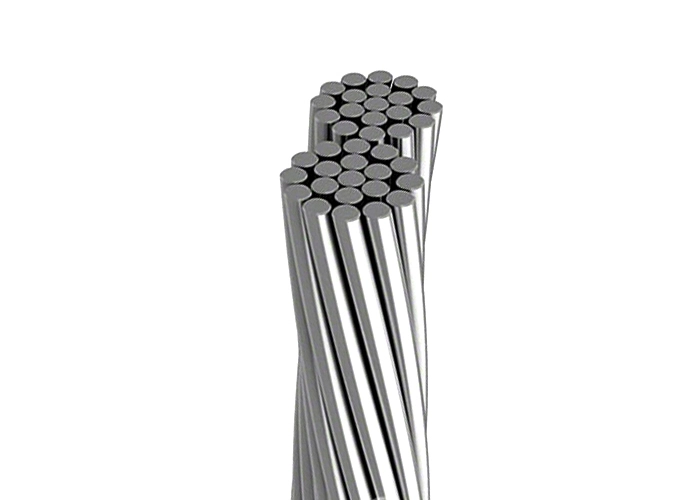
AAAC kabloları eşmerkezli olarak bükülmüş alüminyum alaşımlı tellerden oluşur. Magnezyum-silikon tipi alüminyum alaşımından yapılmıştır (alaşım 6201) arasında magnezyum içeriği olan 0.6-0.9% ve arasındaki silikon içeriği 0.5-0.9%. Bu iletkenler minimum düzeyde iletkenlik sağlayacak şekilde tasarlanmıştır. 53% IACS.
Özellikler:
AAAC iletkenleri gelişmiş güç sunar, ağırlık, ve AAC ve ACSR ile karşılaştırıldığında elektriksel özellikler. Daha iyi dikey çekme özelliklerine ve gelişmiş korozyon direncine sahiptirler., onları orta ve yüksek gerilim iletim hatlarına uygun hale getirir. Düşük buz kırma yükleri, düşük buz ve rüzgar yükünün olduğu bölgelerde avantajlıdır. AAAC iletkenleri özel uygulama ihtiyaçlarına ve müşteri gereksinimlerine göre özelleştirilebilir.
Standartlar:
ASTMB 230, ASTMB 231, TS IEC 1089, DIN48201, ve BS 215.
Acsr (Alüminyum İletken Çelik Takviyeli)
Yapı:
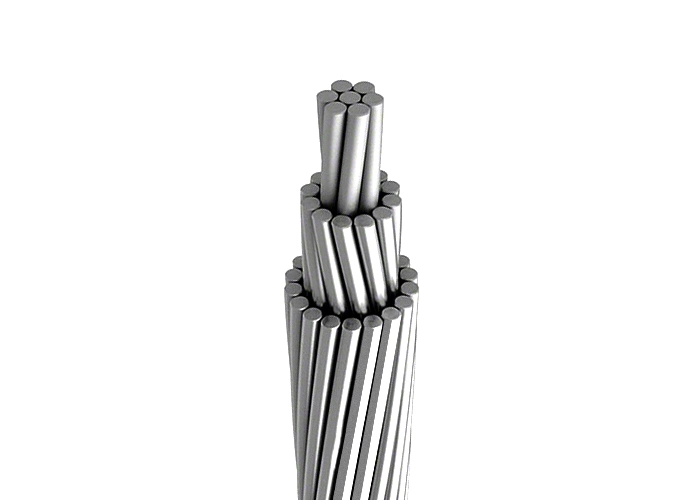
ACSR iletkenleri, eşmerkezli katmanlar halinde bükülmüş birkaç alüminyum ve galvanizli çelik iletkenden oluşur. Çekirdek galvanizli çelikten yapılmıştır, aşağıdakilerden oluşabilir 1, 7, veya 19 teller, ve alüminyum şeritlerle çevrilidir. ACSR için maça telleri A sınıfı olarak mevcuttur, B, veya C galvanizleme.
Özellikler:
ACSR kabloları çok yönlüdür ve tüm voltaj seviyelerindeki iletim hatları için uygundur, nehirler ve vadiler gibi zorlu araziler dahil. Alüminyum ve çelik oranlarını ayarlayarak, çeşitli uygulamalar için spesifik özellikler elde edilebilir. Çelik içeriğinin arttırılması antistatik özellikleri artırır, Daha fazla alüminyum içeriği akım taşıma kapasitesini arttırırken.
Standartlar:
ASTMB 230, ASTMB 231, TS IEC 1089, DIN48201, ve BS 215.
ZMS Kablo Ürünleri
SSS
Güneş Enerjisi Sistemlerinde Hangi Havai Kablo Kullanılmalı?
Şebekeye bağlı fotovoltaik enerji üretim sistemlerinde, Üretilen DC gücü, invertör tarafından AC gücüne dönüştürüldükten ve AC şebekesine entegre edildikten sonra, Güç iletimi genellikle havai hatlar üzerinden gerçekleştirilir. Tipik olarak, fotovoltaik enerji üretim sistemlerinin şebekeye bağlanma süreci aşağıdaki senaryolarda gerçekleşebilir::
Doğrudan Bağlantı
Küçük dağıtılmış fotovoltaik enerji üretim sistemleri için, konut çatı fotovoltaikleri gibi, DC gücü, invertör aracılığıyla doğrudan AC gücüne dönüştürülebilir ve daha sonra dağıtım hatları aracılığıyla alçak gerilim şebekesine bağlanabilir. Bu durumda, yeraltı alçak gerilim kabloları ve ABC kabloları gibi havai yalıtımlı kablolar kullanılabilir.
Kutu Transformatörleri veya Trafo Merkezi Entegrasyonu ile Bağlantı
Orta veya ticari ölçekli fotovoltaik enerji santralleri kutu tipi trafo merkezlerini kullanabilir (kutusu transformatörler) üretilen DC gücünü invertör aracılığıyla şebeke entegrasyonuna uygun AC gücüne dönüştürmek için, ve ardından baş üstü şebekenin voltaj seviyesine uyacak şekilde kutu transformatörü aracılığıyla voltajı artırın, Havai hatlara bağlanmadan önce.
Büyük ölçekli yere monteli fotovoltaik enerji santralleri, verimli iletim için genellikle voltajı daha yüksek bir seviyeye yükseltmek üzere bir transformatöre ihtiyaç duyar. Bu durumda, güç doğrudan bir trafo merkezine bağlı, daha sonra bunu yüksek voltajlı veya ultra yüksek voltajlı havai şebekelere dağıtır.
Bu iki senaryoda, santralden şebeke bağlantı noktasına olan mesafe nispeten kısaysa ve yük büyük değilse, AAC kablosu ekonomik bir seçim olabilir. Orta mesafeler için veya daha iyi fiziksel performansın gerekli olduğu yerler için, AAAC kablosu daha iyi bir seçenek olabilir. Uzun mesafeli iletim için veya özel kablo gücü gereksinimlerinin gerekli olduğu yerler için, özellikle havai hatların karmaşık arazilerden geçmesi veya aşırı hava koşullarına dayanması gerektiğinde, ACSR iletkeni en uygun seçim olacaktır.
AAC Arasındaki Farklar Nelerdir?, AAAC, ve ACSR Kabloları?
AAC: Tamamen Alüminyum İletken (AAC) kablolar nispeten düşük maliyetlidir, hafif, ve iyi iletkenliğe sahip, onları kısa mesafeli iletim ve hafif yük koşullarına uygun hale getirir. Fakat, güçleri nispeten düşüktür, sınırlı çekme kabiliyetine sahip, uzun mesafeler veya yüksek mekanik dayanım gerektiren durumlar için uygun olmayabilir.
AAAC: AAC ile karşılaştırıldığında, Tamamen Alüminyum Alaşımlı İletken (AAAC) kablolar daha yüksek mekanik dayanıma sahiptir, daha iyi çekme mukavemeti, ve iyi iletkenliği korurken korozyon direnci. Bu, AAAC'yi orta uzunluktaki iletim hatları ve belirli mekanik dayanıklılık gereksinimleri olan ortamlar için daha uygun hale getirir, Her ne kadar maliyet AAC'den biraz daha yüksek olsa da.
Acsr: Alüminyum Çelik Takviyeli İletken (Acsr) kablolar alüminyumun mükemmel iletkenliğini çeliğin yüksek mukavemetiyle birleştirir. Özellikle uzun mesafe için uygundurlar, ağır yük, veya katı mekanik dayanıklılık gereksinimleri olan iletim hatları. ACSR kabloları fırtınalara etkili bir şekilde dayanabilir, kar yükleri, ve hat gerilimi ancak nispeten daha pahalıdır.
Güneş enerjisi üretim sistemlerinde, AAC arasındaki seçim, AAAC, veya ACSR kabloları esas olarak sistemin tasarımına bağlıdır, iletim mesafesi, yük gereksinimleri, ve maliyet-fayda analizi. Kısa mesafeli ve hafif yükte güç iletimi için, AAC seçilebilir. Orta mesafeler için veya daha iyi fiziksel performansın gerekli olduğu yerler için, AAAC uygundur. Uzun mesafeli iletim veya karmaşık çevre koşulları için, ACSR genellikle tercih edilen seçimdir.
PV Güç Sistemleri İçin Havai Kablo Seçiminde Hangi Faktörler Dikkat Edilmelidir??
Fotovoltaik enerji üretim sistemleri için havai hatları seçerken, Sistemin güvenliğini sağlamak için birkaç temel faktörün dikkate alınması gerekir, yeterlik, ve uzun vadeli güvenilirlik:
Çevre Koşulları: Kurulum sahasının iklim koşullarını değerlendirin, Rüzgar hızı dahil, yağış, sıcaklık aralığı, buz yükü, ve tuz spreyi korozyonu. Bu çevresel etkilere dayanabilecek havai kablo türlerini ve özelliklerini seçin.
Gerilim Seviyesi ve Akım Taşıma Kapasitesi: Güvenli ve kayıpsız güç iletimini sağlamak için fotovoltaik enerji üretim sisteminin çıkış gücüne ve şebeke bağlantı gereksinimlerine göre uygun voltaj seviyesine ve yeterli akım taşıma kapasitesine sahip kabloları seçin..
İletken Tipi: AAC kullanmayı düşünün, AAAC, veya iletim mesafesine bağlı olarak ACSR iletkenleri, yük gereksinimleri, ve maliyet-fayda analizi. Alçak gerilim iletimi için, PVC veya XLPE yalıtımlı kablolar gibi yalıtımlı kablolar kullanın.
Rota Planlama: Havai hat güzergahı seçim ilkelerini takip edin, yolu mümkün olduğu kadar kısaltmak gibi, köşeleri azaltmak, Potansiyel engellerden ve tehlikeli alanlardan kaçınmak, hat stabilitesinin sağlanması, ve bakım kolaylığı.
Mekanik Güç ve Dayanıklılık: Gerilime dayanabilecek kabloları seçin, rüzgar basıncı, ve diğer mekanik stresler. Uzun mesafeli iletim veya zorlu ortamlar için, yüksek mekanik mukavemetli ACSR daha iyi bir seçim olabilir.
Kurulum ve Bakım: Kurulum kolaylığını göz önünde bulundurun, bakım maliyetleri, ve gelecekteki potansiyel genişleme ihtiyaçları. Kurulumu ve bakımı kolay kablo türlerini seçin.
Emniyet: Havai kabloların ve aksesuarların yerel güvenlik standartlarına ve düzenlemelerine uygun olduğundan emin olun, yıldırımdan korunma ve topraklama gereksinimleri dahil, elektrik yangınlarını ve elektrik çarpması risklerini önlemek için.
Maliyet Verimliliği: Farklı havai güç kablosu çözümlerinin maliyet ve avantajlarının kapsamlı bir değerlendirmesini yapın, ilk yatırım dahil, operasyonel bakım maliyetleri, ve beklenen kullanım ömrü, en ekonomik ve akılcı kararı vermek.
Uyumluluk ve Uyumluluk: Seçilen havai kablonun fotovoltaik sistemin çıkış gücüne uygun olduğundan ve ulusal veya bölgesel elektrik güvenliği standartlarını ve şebeke bağlantı gereksinimlerini karşıladığından emin olun..
Gelecekte Genişletilebilirlik: Güneş sisteminin potansiyel genişlemesini düşünün. Gelecekte üretim kapasitesini artırırken veya sistemi iyileştirirken uygun yükseltmeleri kolaylaştırmak için bir miktar yedekli kabloları seçin.
Nihai kablo seçimi, spesifik projenin fiili durumuna göre yapılmalıdır., çevresel faktörler dahil, bütçe kısıtlamaları, güvenlik standartları, ve şebeke gereksinimleri. ZMS, güneş enerjisi üretim projeniz için kapsamlı bir kablo çözümü sağlayabilir, proje uygulama sürecinin basitleştirilmesine yardımcı olmak, inşaat sürelerini kısaltmak, ve maliyetleri etkili bir şekilde kontrol etmek.
Proje Vurgusu
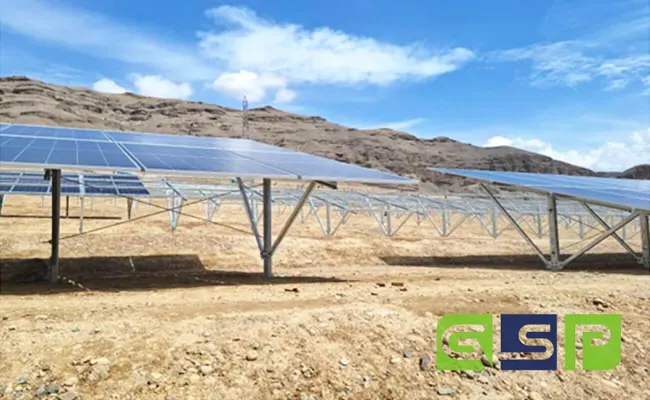
ZMS güçlerini birleştirdi Yeşil Devlet Gücü (GSP), yenilenebilir enerji altyapısında öncü, anıtsal bir donatmak 10 Kabil'deki MWP fotovoltaik projesi, Afganistan.
ZMS, PV projesini kapsamlı bir şekilde analiz etti ve 1X10 ve 1X6 solar kablolar H1Z2Z2-K, 3X300 AG kabloları, 3X300 OG kabloları, ACSR'nin yanı sıra 185/30 havai kablolar. Bunları tamamlayanlar arasında PV konektörleri ve titizlikle seçilmiş alet kutuları gibi hayati aksesuarlar vardı..
ZMS'nin kalite ve güvenilirliğe olan bağlılığı, sorunsuz kurulumu ve operasyonel verimliliği kolaylaştırdı, Bölgenin sürdürülebilir enerji altyapısına katkıda bulunmak.
ZMS Hizmeti
Özel Üretim
We understand that every customer's needs are unique. Öyleyse, kişiselleştirilmiş güneş enerjisi kablosu özelleştirme hizmetleri sunuyoruz, kablo özelliklerinden bağlantı arayüzlerine kadar her ayrıntıyı özel proje gereksinimlerinize göre uyarlamak, maksimum uyumluluk ve verimlilik sağlamak.
Küresel Hızlı Yanıt Lojistiği
Küresel lojistik ağımızın desteğiyle, ZMS, fotovoltaik kablo siparişlerinizin dünyanın her noktasına güvenli ve hızlı bir şekilde ulaşmasını sağlar. Profesyonel lojistik ekibimiz, mallarınızın zamanında teslim edilmesini sağlamak için taşımacılığın her aşamasını izler.
Teknik Destek
ZMS's technical support team is always on standby. Karşılaştığınız teknik zorluklar ne olursa olsun, hızlı yanıtlar ve profesyonel çözümler sağlayabiliriz, endişesiz bir kullanıcı deneyimi sağlamak.
Yeşil Üretim
Solar kablolarımız ve aksesuarlarımız üretim sürecinde çevre standartlarına sıkı sıkıya bağlı kalıyor, çevreye etkilerini en aza indirmek. ZMS'yi seçerek, yalnızca yüksek kaliteli fotovoltaik kablolara yatırım yapmakla kalmıyor, aynı zamanda gezegenin sürdürülebilir kalkınmasına da katkıda bulunuyorsunuz.